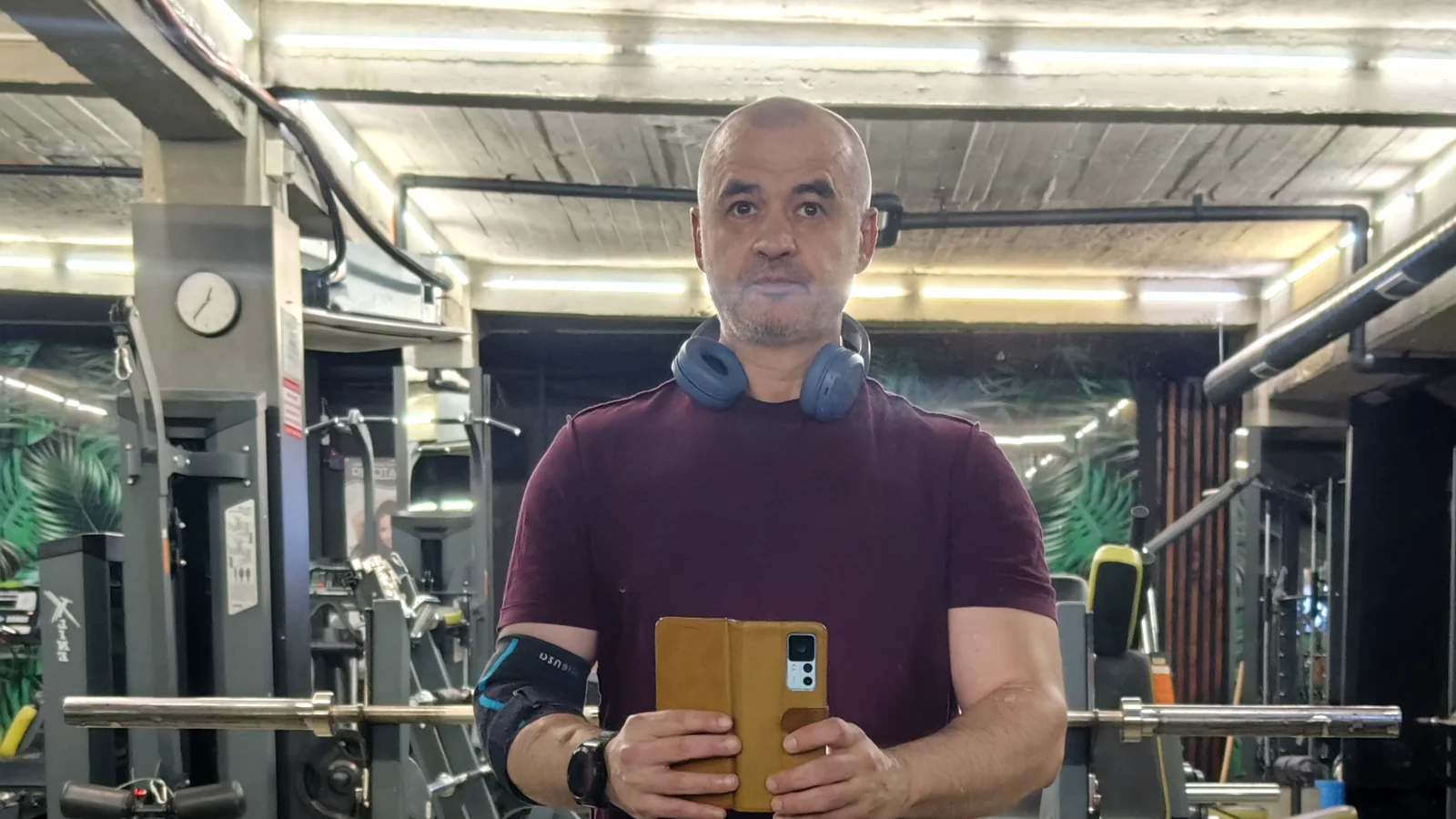
I was recording workouts in Excel and realised it was rubbish. That's how life:)on started
This is the first post on the life:)on blog. Here, I’ll explain where the idea came from, why I’m doing it now, and what this blog will be about. No marketing jargon — just the straight facts.
Where did the idea come from
Many years ago, after training at the stadium, I returned home and recorded the data in Excel. I sat down to look at the numbers and thought: we're in the computer age. I spent two hours training and another twenty minutes on a spreadsheet that I won't open in three weeks. Why does it work this way? Why do I, like millions of other people around the world, keep my sports journal in my own way, instead of having one proper place for it?
Another thing I understood later: data in Excel lives as long as my enthusiasm for maintaining it. There are no breaks – just waves, then silence, then a new wave. In such a wave-like logic, every new start is from scratch. But it should be different: the data lies in one place, waiting. You can stop training, then return in a month, a year, five years – and pick up from the same place, without repacking the history. This is also a function of the platform: a little hook that sometimes reminds you and pulls you back to your studies.
It was then that the idea matured. However, it lay in a drawer for a long time.
Why was it lying there for so long?
I've tried to do it myself on more than one occasion. I've found designers, DTP operators, and programmers – I've spent a lot of money on it. I always ran into the same problem: writing and structuring isn't my forte. My thing is the idea, the vision of what the final product should look like. And there's a chasm between the idea and a working landing page, which can't be crossed without a team or without tools.
A number of things have happened over the last year.
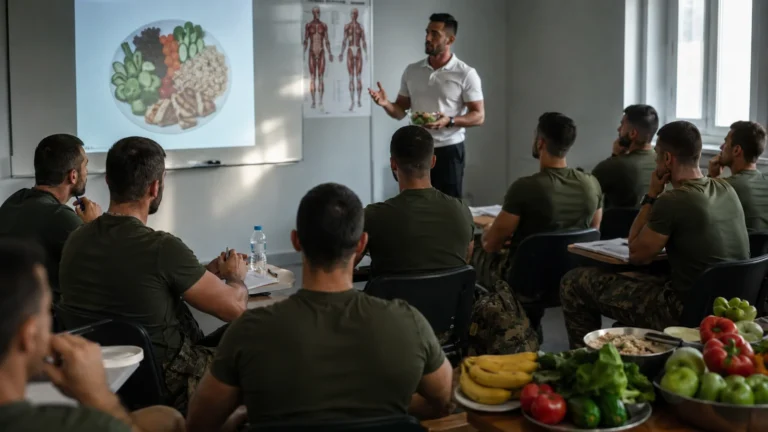
First trained at Health Academy. Without a certificate (was abroad for rehabilitation, technically not possible), but with a full understanding of the methodology: how to search for research, how to read them, what to pay attention to, where a «funded by manufacturer» sign means «need to be twice as careful».
Second AI has matured. Not as «magic,» but as a tool that really works. I can now describe my idea and get a finished landing page. The landing page above was made with AI, without agencies. And I see the difference compared to my previous attempts: this one is alive, the previous ones were dead.
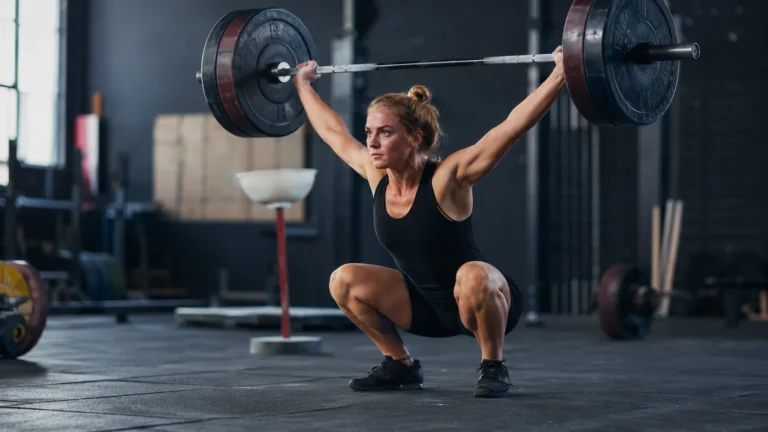
Third — a war wound. It didn't leave me disabled. It made me listen to my body more carefully and keep myself together, rather than falling apart on the way to the wooden pie. Strength training, sauna, walks – that's my rhythm now. Getting into the pie and saying «hammer the nails» is also a position I want to be able to choose myself when the time comes. Not sooner, not by accident, not due to neglected health. And this also changed my attitude to the project: it went from «I'll do it someday» to «I need to do it now».
What is life:)on?
I’m building life:)on primarily for myself. That’s the honest truth. I want a tool where I can properly track my training, rather than using Excel. A place where I can look at my progress – how I was a year ago and how I am now. A place where I can find reliable information about health and sport without having to sift through Instagram posts every time.
That others will be able to use this is a pleasant consequence. The best products are made by people who use them themselves.
The vision is an ecosystem where an intelligent person has everything in one place. Verified information. Coaches and specialists. Locations for activities. An events calendar. Structure instead of chaos.
There is a prophecy that, in the future, only the chosen few will be allowed into libraries. And who goes there now? Surely they are the chosen ones. Only in life:)on will you carry the library with you. A structured one. With the tools to put it all into practice – so that you don’t just read, but apply it to your own life.
Another principle that is important to me is that any person in the world should be able to read this in their native language. Therefore, the platform is designed to be global from the very beginning of the project. Not «a Ukrainian platform with an English version» — but a platform without geography, where Ukrainian is simply one of the interface languages. Currently, there are two languages, and there will be more.
What will be on this blog
It won't be here:
- Clickbait headlines with numbers out of context;
- motivational posts about «overcoming yourself»;
- Advertisements for coaches, programmes or supplements.;
- politics, religion, racial issues — only sports and wellness.
Here will be:
- an examination of research with references to primary sources and an honest look at limitations;
- My own observations marked «this is my experience, not science»;
- An update on the development of the life:)on platform — I’m building it in the open, with nothing to hide;
- Translating "складного" into plain English, shunning academic jargon and oversimplified Instagram speak.
Style benchmarks — Huberman Lab, Peter Attia (The Drive), Viva Longevity (Brad Stanfield), nauka.ua, Men's Health in terms of methodology, Andriy Semyankiv (MedGoblin) - in Ukrainian, honestly about what is evidence-based in medicine and what is not. I know, none of them are ideal. But it's better to talk about the limitations of sources than to pretend the problem doesn't exist.
What next
The next post will analyse a UC Irvine study on the effects of essential oils on memory. Everyone has seen the code 226%. But very few people know what 226% actually means. This will be the blog’s first real test.
If what I'm writing here resonates with you – leave an email at life-on.com.ua, I will let you know when we open access. But you can read the blog now.
Vitaliy
Founder of life:)on


 Українська
  English (UK)